Case studies
Three businesses, three lessons
Stories from our first adult cohort at the 60-day follow-up, told without names.
Why there are no names. These women are caregivers whose children are supported through their church's project. To protect their privacy we have not used their names, their businesses' names or their exact locations. Figures are as the participants told our field team and have not been independently verified. Income figures are more likely to be sales than profit.
Selling in pieces
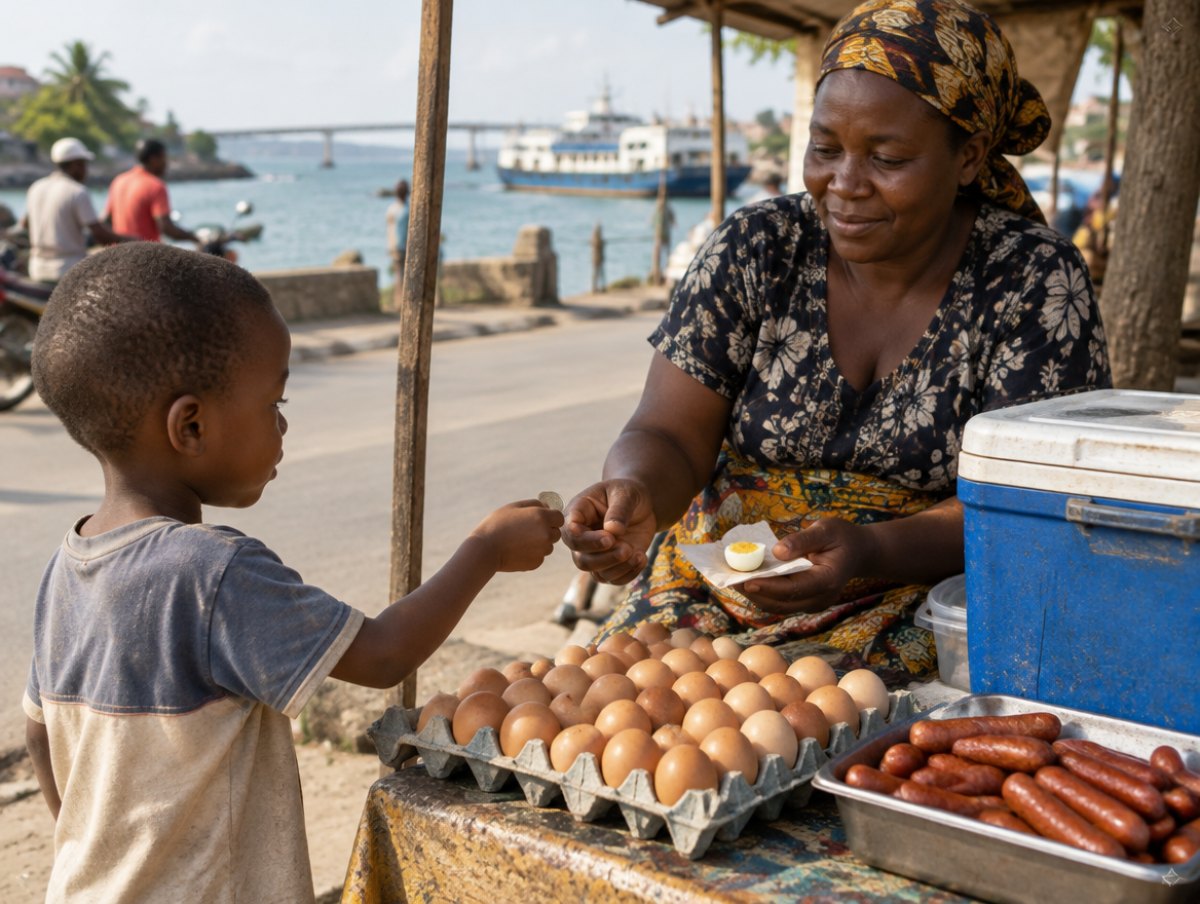
She sells eggs and sausages (smokies) from a street-side stand. Our team found her pricing creative: an egg sells for KES 30, so she cuts it into pieces and sells them for KES 5 to children who have little money. She does the same with smokies.
Between the 30-day and 60-day visits her weekly income roughly doubled and her stock grew from about KES 2,440 to about KES 14,000. One of her biggest lessons from the programme is that her own salary must be separate from the business profit.
Her challenges are real: eggs and smokies cost more each month, and her stand floods when it rains. A freezer to buy smokies in bulk would help most.
- Weekly income about KES 18,000 at 30 days and about KES 35,000 at 60 days (the 60-day figure still to be confirmed)
- Stock about KES 2,440 at 30 days and about KES 14,000 at 60 days
- Lesson: pricing to fit the customer, and paying yourself a salary
Changing what she sells
At the 30-day visit this participant was overwhelmed and her business was declining, selling fresh vegetables. The vegetables that sold fastest, such as onions and potatoes, were the ones she could least afford to restock.
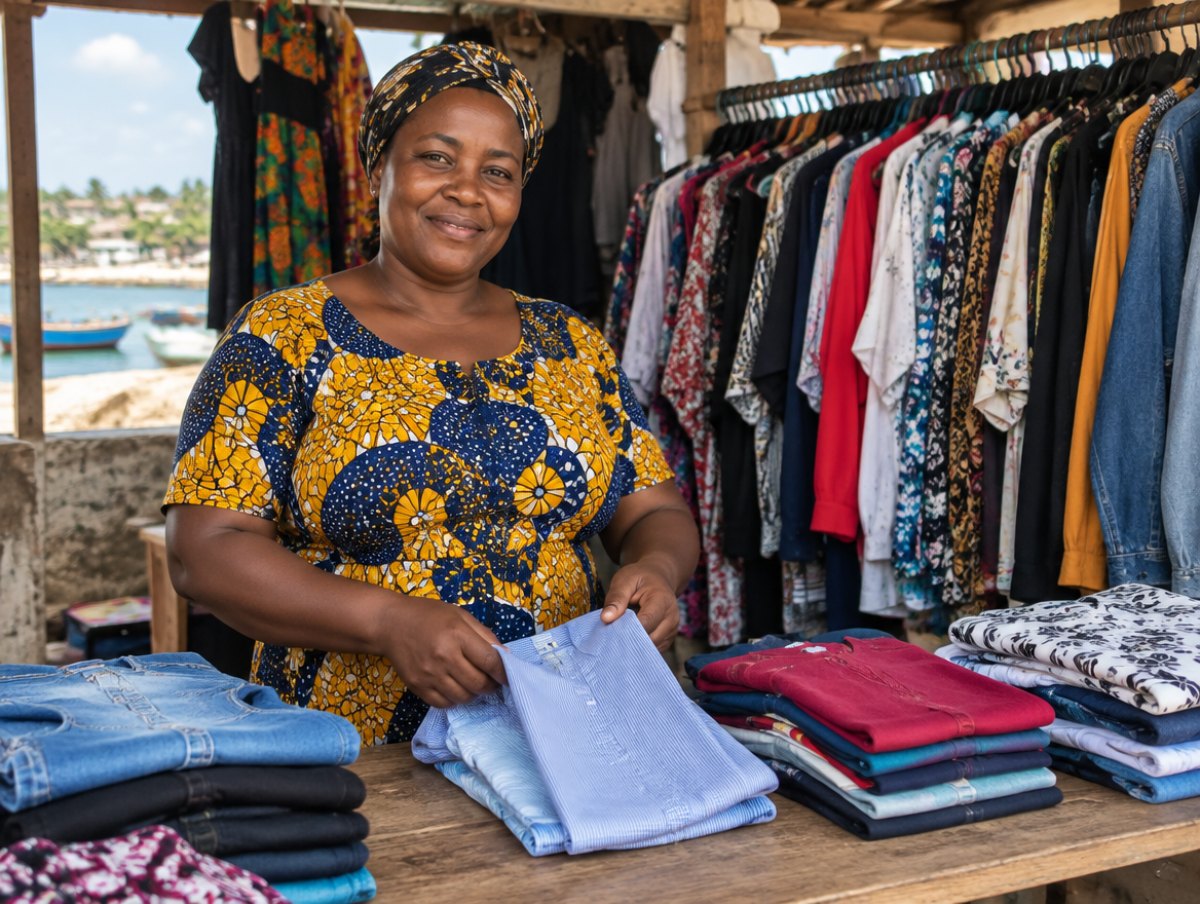
She changed what she sells and moved into second-hand clothing. At 60 days she reported about KES 8,000 a week and a business worth KES 46,000 in stock and cash, up from KES 1,500.
Part of that rise came from new support of KES 20,000 that we provided, so it is not all growth. What it does show is that a business can recover when its owner changes course and a visit helps her do it.
- Business value (stock and cash) KES 1,500 at 30 days, KES 46,000 at 60 days, including KES 20,000 of new support
- Weekly income about KES 1,200 to 1,500 on weekdays at 30 days, about KES 8,000 a week at 60 days
- Lesson: the follow-up visit is where a struggling business gets a second chance
Steady, not spectacular
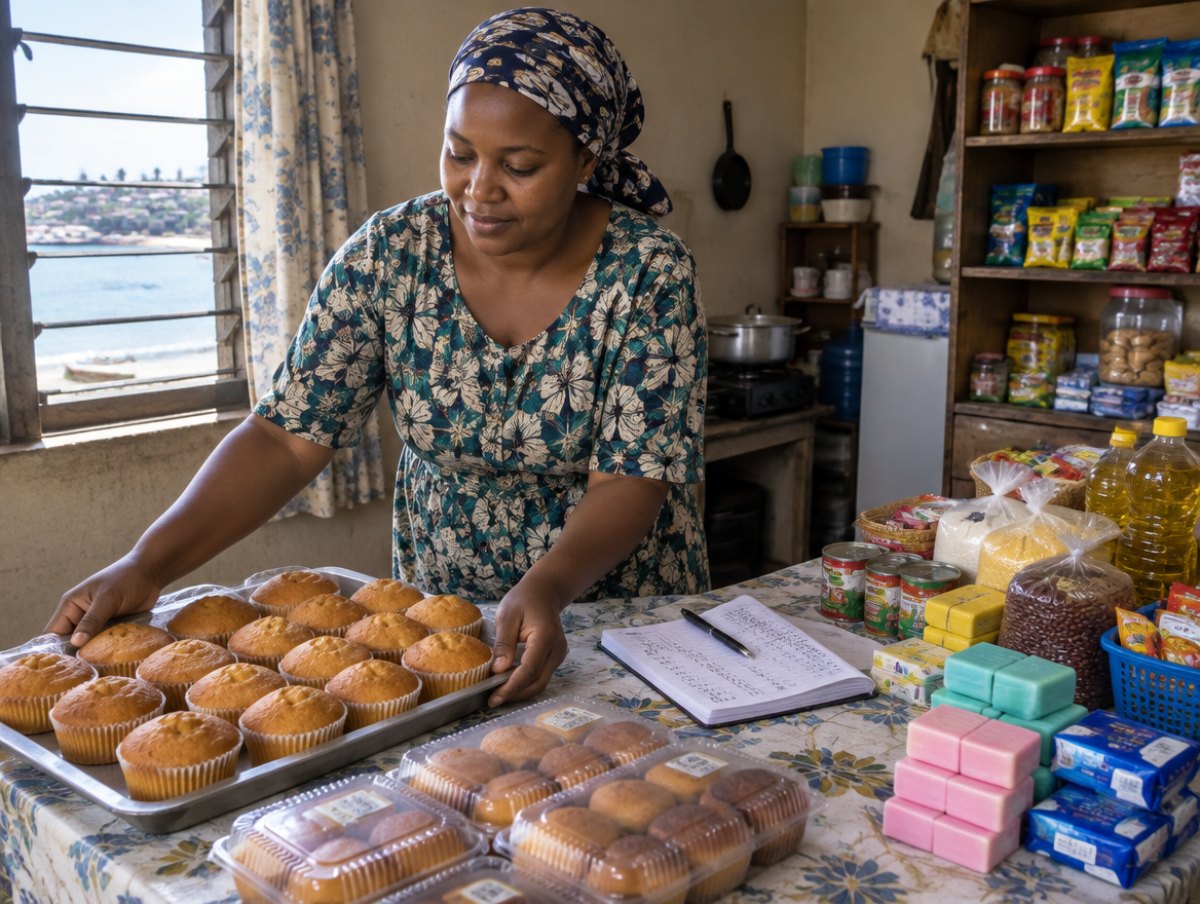
Not every good story is a dramatic one. This participant sells groceries, soap and cakes, and her weekly income has held steady at about KES 6,000 between the two visits.
What changed is what the business holds. She kept putting money back into stock, and the value of her stock and cash rose from about KES 1,700 to about KES 6,800. That is the quiet habit the programme tries to build: reinvest first, then spend.
She now needs equipment, such as a cake tin, a cooler box and a blender, and further training to make the next step.
- Weekly income about KES 6,000 at both visits
- Business value about KES 1,700 at 30 days and about KES 6,800 at 60 days
- Lesson: steady reinvestment grows a business even before income rises
Not every business is thriving.
At 60 days, three of the ten businesses were struggling, mainly because of illness, bereavement and rising prices, and one had not restarted. We report that to our partners as openly as the good news, because follow-up exists to help exactly these businesses.